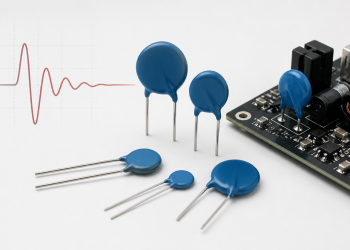




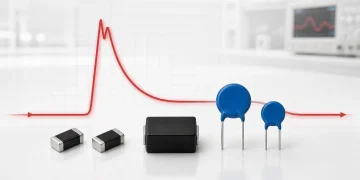
MOV Clamping Voltage Explained: Current, Waveform and Residual Voltage
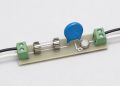
Understand how MOV clamping voltage is specified, why test current and waveform matter, and how wiring inductance changes the voltage...
Read moreDetails




Latest Articles
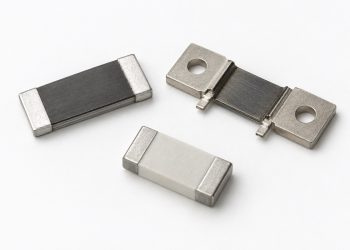
How TCR and Self-Heating Create Current-Sense Resistor Error
A current-sense resistor marked 1 mΩ, 5 mΩ, or 10 mΩ is normally characterized at a stated reference temperature and low measurement power. That value is not a promise that the resistance will remain identical after the part is soldered...
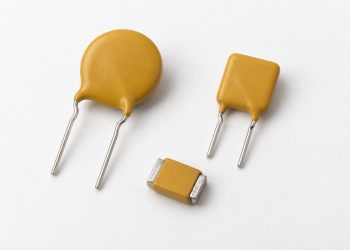
PPTC Post-Trip Resistance: What Does Reset Really Mean?
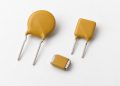
A polymeric positive temperature coefficient device (PPTC) is called resettable, but that word describes a return to a conductive state—not an instant return to the resistance measured when the part left the factory. After an overcurrent event, the polymer structure...
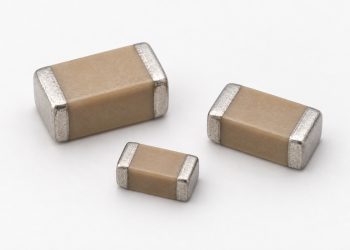
How to Evaluate MLCC Ripple Current and Self-Heating
Multilayer ceramic capacitors (MLCCs) are often treated as if ripple current were irrelevant because their equivalent series resistance (ESR) is low. Low ESR is useful, but it does not eliminate heat. Alternating or pulsating voltage drives current through electrodes, terminations,...

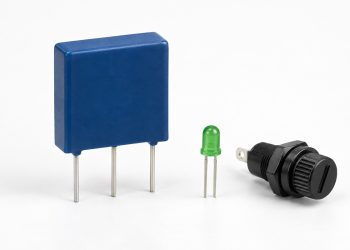
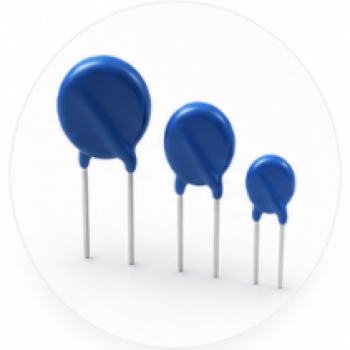
Can Equipment Keep Running After a Thermally Protected MOV Trips?
Must equipment lose power when a thermally protected metal-oxide varistor (MOV) trips? Not necessarily. In a common shunt-protection topology, the thermal disconnect opens only the overheated MOV branch while the main supply continues feeding the load. The product may therefore...